
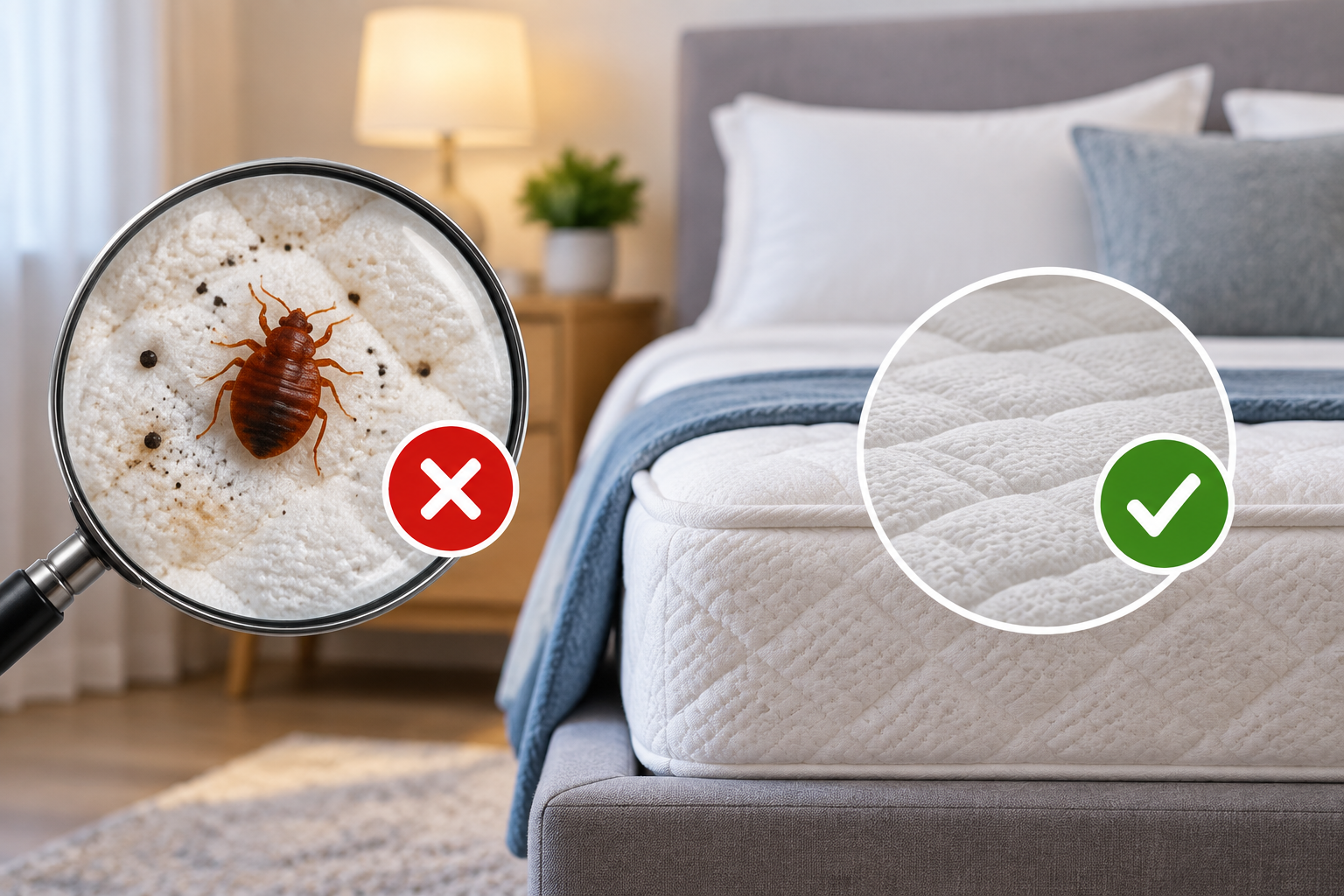
Getting a bed bug treatment does not always mean you can immediately know whether the problem is gone. Bed bugs can hide in tiny cracks, furniture joints, mattress seams, and other areas that are easy to miss. Some treatments also do not kill every egg, which means new bugs can appear after the first service.
This is why monitoring after treatment matters. If you live in Smithtown or manage a rental, hotel, office, or other property nearby, knowing what to look for can help you decide whether the treatment is working or whether another inspection may be needed.
A proper bed bug treatment Smithtown NY plan should include more than the initial service. It should also involve inspection, follow up, monitoring, and attention to areas where bed bugs may still be hiding. The U.S. Environmental Protection Agency recommends continued monitoring because treatment success depends on several factors, including the level of infestation, preparation, treatment coverage, and whether all life stages were addressed.
What Should You See After Treatment?
The first thing to understand is that you may not see an immediate disappearance of every bed bug. Depending on the treatment method, some bugs may take time to die. Some eggs may also survive an initial pesticide application and hatch later. EPA notes that many pesticides do not kill eggs, which is one reason follow up treatment may be necessary.
Instead of judging the treatment after one night, look for a pattern over time.
Signs that can suggest progress include:
- No new live bed bugs found during inspections
- No fresh dark fecal spots
- No new eggs or eggshells
- Fewer signs around the bed and furniture
- Monitoring devices staying clear
- No new confirmed activity during follow up inspections
The important word here is new. Old stains or shed skins can remain even after the insects are gone.
Do New Bites Mean the Treatment Failed?
Not necessarily. Skin reactions are not a dependable way to determine whether bed bugs are still present. EPA explains that bed bug bites can look similar to bites from other insects or skin conditions, and some people do not react to bed bug bites at all.
For that reason, finding a new mark on your skin does not automatically prove that live bed bugs remain.
Look for physical evidence instead.
A live bed bug, fresh dark spotting, eggs, eggshells, or other confirmed signs are more useful when checking whether an infestation remains active.
If you keep waking up with unexplained marks but cannot find any physical evidence, avoid making a treatment decision based only on skin irritation. A follow up inspection can help determine what is actually happening.
Check the Areas Where Bed Bugs Hide
Bed bugs are good at staying out of sight. EPA says they can hide around mattress seams, box springs, bed frames, headboards, furniture, cracks, drawer joints, electrical receptacles, and other small spaces.
After treatment, pay particular attention to areas close to where people sleep or rest.
Check:
- Mattress piping and seams
- Box spring edges
- Bed frame joints
- Headboards
- Nightstands
- Upholstered chairs
- Couches
- Baseboards
- Cracks and crevices
- Nearby furniture
Do not start moving furniture from room to room just because you are worried about a possible bug. Moving items without a plan can make monitoring and control harder.
If a professional provides preparation or post treatment instructions, follow those instructions carefully.
Monitoring Traps Can Help
Bed bug interceptors can provide another way to monitor activity. These devices are placed under bed legs and can catch bugs trying to climb toward or away from the bed. EPA lists interceptors as a monitoring tool that can help determine whether bed bugs remain after control work.
The key is regular inspection.
A trap that remains empty during one inspection does not prove that the infestation is gone. Several clear inspections over time provide more useful information than one check.
If you are using interceptors, record what you find. Write down the date and whether anything was caught. This gives you a simple history that can be useful during a follow up visit.
Keep a Simple Bed Bug Record
One of the easiest ways to judge progress is to keep notes.
You do not need a complicated spreadsheet. A basic record can include:
- Date of inspection
- Room checked
- Location of any evidence
- Type of evidence found
- Whether a live bug was confirmed
- Date of professional treatment
- Date of follow up inspection
This can help separate old evidence from new activity.
For example, finding an old dark mark on a mattress several days after treatment does not necessarily mean that a live infestation is still present. Finding a confirmed live bed bug during repeated inspections is a different situation.
EPA recommends keeping records during bed bug control and continuing inspections after treatment.
Why Follow Up Treatment Can Be Necessary
Many people expect one treatment to solve everything. In some situations, that may not happen.
Bed bug control can require multiple visits because eggs may survive an initial treatment. Once those eggs hatch, newly active bugs may need to be addressed.
EPA specifically advises people to prepare for multiple visits because very few infestations are controlled with only one treatment.
This does not automatically mean the original treatment was poor.
The size of the infestation, hiding places, preparation, treatment method, nearby rooms, and pesticide resistance can all affect the result.
A follow up visit gives the technician an opportunity to check whether the population is declining and whether additional work is needed.
What If You Find One Bed Bug After Treatment?
Finding one confirmed bed bug deserves attention, but it does not always tell the entire story.
EPA notes that a single bed bug is not automatically an infestation, particularly in public settings.
However, if you find one after treatment, take a photo if possible and keep the insect for identification when practical. Misidentification can lead to unnecessary treatment or confusion.
If the insect is confirmed as a bed bug, contact the pest management company that performed the service and ask whether a follow up inspection is recommended.
Do not immediately spray random products around the room.
Repeated or incorrect pesticide applications can create additional problems. EPA warns that misuse can make control harder and may contribute to resistance.
Signs That May Suggest the Infestation Is Still Active
There are several situations that deserve a closer look. You may need another inspection if you notice:
- Confirmed live bed bugs
- Fresh dark fecal spotting
- New eggs or eggshells
- Newly shed skins in active hiding areas
- Repeated activity in the same room
- Bed bugs appearing in areas that were not treated
- Continued activity after the expected follow up period
The location matters too.
If activity appears in a nearby bedroom, living area, apartment, or adjoining unit, the problem may extend beyond the original treatment area. EPA notes that bed bugs can migrate into adjacent rooms or nearby apartments in multi unit housing.
This is especially relevant for landlords, property managers, hotels, and other businesses where several people share walls or common areas.
What About Heat Treatment?
Heat is one method used for bed bug control, but the way it is applied matters.
EPA explains that professional heat treatment can be effective when performed correctly. However, heat treatment has no residual effect, which means precautions are still needed to prevent bed bugs from being brought back into the treated space.
After a heat service, monitoring is still useful.
Do not assume that a room is permanently protected simply because it was heated. Bed bugs can be reintroduced through luggage, furniture, clothing, visitors, or other routes.
When Should You Call a Bed Bug Professional Again?
If you find confirmed activity after treatment, contacting the treatment company is usually more useful than starting a new round of DIY products.
A bed bug exterminator Smithtown, NY can inspect the affected areas, look for evidence, and determine whether the activity is consistent with a remaining infestation or another issue.
A professional inspection can be especially useful when:
- You cannot identify the insect
- Activity keeps appearing
- Several rooms are involved
- The property shares walls with another unit
- Previous treatments have not solved the problem
- You are managing a business or rental property
- You need a documented follow up inspection
EPA recommends choosing pest professionals who use integrated pest management practices and who can provide monitoring and follow up when needed.
What Should Businesses Watch After Treatment?
Bed bugs can create a serious concern for businesses because customers, employees, tenants, and visitors may all be affected.
Hotels, offices, apartment buildings, healthcare settings, retail locations, and other shared spaces need a clear response plan.
A business should identify who receives reports, who handles inspections, how affected areas are documented, and how employees are informed.
The goal is to avoid panic while taking confirmed reports seriously.
For a business in or around Smithtown, an emergency bed bug exterminator Smithtown, NY may be needed when live activity is confirmed in a customer facing or occupied area and quick professional assessment is necessary.
Still, an emergency response should follow safe pest control practices. EPA warns against unsafe DIY methods such as using outdoor pesticides indoors, applying excessive amounts of pesticide, or using flammable substances such as rubbing alcohol.
How Can You Improve the Chances of Successful Treatment?
Treatment is only one part of bed bug control. Your actions before and after service can affect the process.
Before treatment
Follow the preparation instructions provided by your pest professional. Preparation may include reducing clutter, laundering items, inspecting furniture, and keeping certain areas accessible.
After treatment
Keep monitoring the treated areas. Avoid moving potentially infested belongings to clean rooms. Follow the instructions about cleaning, vacuuming, sleeping arrangements, and when normal activities can resume.
During follow up
Share every confirmed sighting with the professional. Tell them exactly where and when you found it.
Good records can make follow up inspections more useful.
A Simple Post Treatment Checklist
Use this quick checklist when checking your property:
- Inspect the mattress and bed frame.
- Check nearby furniture and cracks.
- Look for live bugs and fresh evidence.
- Check bed bug interceptors if you use them.
- Record anything you find.
- Compare new findings with your earlier notes.
- Contact the treatment company if confirmed activity continues.
- Follow the recommended follow up schedule.
EPA recommends continued inspection and monitoring because successful bed bug control takes time and patience rather than a single quick fix.
Conclusion
Are you still wondering whether your bed bug treatment actually worked? The best way to judge progress is to look for confirmed physical evidence, keep track of new activity, inspect common hiding areas, and use monitoring tools when appropriate. One bite or one old stain does not automatically mean the treatment failed.
Bed bug control often requires patience because eggs may survive an initial treatment and hidden insects can be difficult to find. Following preparation instructions, completing recommended follow up visits, and reporting confirmed activity can give you a clearer picture of what is happening.
Gotcha! Bed Bug Inspectors provides bed bug treatment services for customers who need help identifying and addressing bed bug activity. Professional inspection and follow up can be especially useful when the signs are unclear or previous treatment has not produced the expected results.
FAQs
How soon can I tell if bed bug treatment worked?
It depends on the treatment method and the level of infestation. Do not judge success based on one night. Continue monitoring and follow the schedule provided by the pest professional.
Is it normal to see a bed bug after treatment?
It can happen. Some treatments may take time to work, and some pesticides do not kill eggs. Finding a confirmed bug should be reported to the treatment provider so they can decide whether a follow up inspection is needed.
Do bed bug bites prove that treatment failed?
No. Skin reactions are not a reliable way to confirm an active infestation. Bed bug bites can look like reactions from other causes, and some people do not react to bites at all.
How often should I check after treatment?
Follow the monitoring schedule provided by your pest professional. EPA advises continued inspection and says interceptors can be used as part of post treatment monitoring.
Can bed bugs come back after successful treatment?
Yes. A treated infestation can be reintroduced through luggage, clothing, furniture, visitors, or other sources. This is why continued monitoring and prevention matter even after activity stops.
Should I spray again if I find a bed bug?
Do not automatically apply more pesticide. Check the product label and follow professional instructions. Incorrect or repeated pesticide use can create safety problems and may make control harder.