
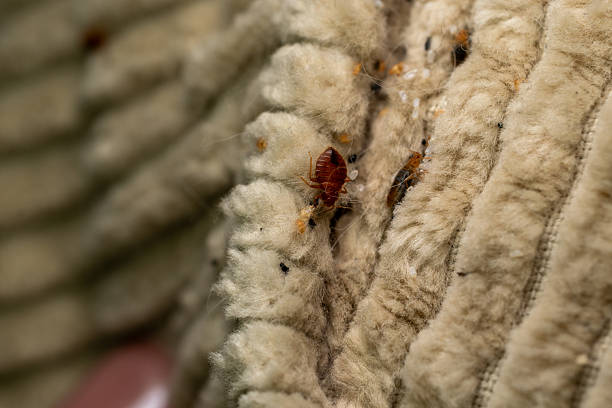
Winter brings colder days, long nights, and warm cozy spaces inside our homes. But while you stay comfortable indoors, bed bugs can quietly make themselves at home too. Even though outdoor temperatures drop, bed bugs can survive inside, especially when homes are not well ventilated and people spend more time indoors.
If you are a small business owner, marketing manager, or run a local business, knowing how to spot bed bug activity during winter can save you time, money, and stress. In this guide, we explain how to recognize signs of bed bugs in the winter and when to seek professional bed bug treatment St. George, NY.
Why Detecting Bed Bugs in Winter Is Different
Bed bugs do not disappear in cold weather. They do not go dormant when it gets chilly, and they do not rely on outdoor heat to survive. In winter:
- Bed bugs hide in warm areas around beds, couches, and chairs.
- Cracks in walls or furniture become safe spaces for them.
- Homes with little ventilation make it easier for bed bugs to move undisturbed.
Even in winter, bed bugs remain active and feed at night. Early detection is very important to prevent a larger infestation.
What You Should Know About Bed Bugs
Knowing how bed bugs behave helps you find them before they multiply.
Bed bugs feed on blood, usually at night, leaving small red bite marks. They hide in cracks and tiny spaces like mattress seams, furniture folds, and baseboards. They can survive for weeks without feeding, so signs of them may appear even if you do not see them. Their eggs are small, pale yellow, and often tucked into hidden corners.
The key is not just spotting adult bugs but catching signs early before they spread.
Signs of Bed Bug Activity in Winter
Winter changes the way you live and how bed bugs behave. When homes are less ventilated, certain signs become more noticeable.
Blood or Rust-Colored Marks on Bedding
Bed bugs may leave small reddish spots on your sheets or rust-like stains where they were crushed. These marks usually appear along mattress seams and corners.
Small Dark Spots
Dark spots on your bedding or furniture are bed bug droppings. Look carefully on mattress edges, box springs, headboards, and baseboards. In winter, bedding and furniture are moved less, so these signs may stay longer and be easier to spot.
Shed Skins and Eggs
Bed bugs grow by shedding their skins and laying eggs in hidden places. These are usually found in mattress seams, furniture folds, and behind baseboards. Eggs and skins are tiny and sometimes hard to see, but they are clear proof of an infestation.
Unusual Odors
Some infestations produce a faint sweet or musty smell. In winter, with windows closed and less airflow, this smell can be stronger near beds and couches.
How to Check Your Home for Bed Bugs in Winter
Bed bugs are very good at hiding, so casual checks are often not enough. Follow these steps to inspect your home carefully.
Tools You Can Use
- Flashlight
- Magnifying glass
- Flat card or scraper
- Vacuum cleaner
Steps for Checking Your Home
Around Your Bed
Remove all bedding and check seams, tags, and corners. Look closely at the mattress and box spring. Use a flat card to check cracks in the fabric.
Furniture
Look under nightstands and dressers. Check sofa seams and cushions. Don’t forget chairs and other upholstered furniture.
Walls and Floors
Check along baseboards, behind picture frames, and inside electrical outlets. Look for small dark spots or bugs crawling.
Optional tools include bed bug traps or interceptors under bed legs and UV lights to reveal droppings that are hard to see.
Why Bites Are Not Always Reliable
Bed bug bites vary from person to person. Some people have strong reactions, others have small red clusters, and some have no reaction at all. Bites can also be mistaken for mosquito or flea bites. It is better to look for physical signs of bed bugs than to rely only on bites.
Challenges of Winter Inspection
Winter can make inspections harder. Heavy blankets and furniture pushed against walls hide bugs. Limited airflow means bedding may not be moved often. These factors make early infestations easy to miss.
When Professional Help Is Needed
Bed bugs are difficult to remove without expert help. Even if you find signs, DIY methods often do not solve the problem.
Professionals provide:
- Accurate inspections
- Targeted treatment plans
- Experience with hidden infestations
For people in the United States, contacting a trained emergency bed bug exterminator St. George, NY ensures thorough inspection and effective removal before the problem spreads further.
Simple Checklist for Winter Bed Bug Checks
Before calling a professional, you can do a basic check:
- Check mattress seams and tags
- Look for small rust stains on bedding
- Inspect furniture folds and crevices
- Check baseboards and corners of rooms
- Use a vacuum to reach cracks and edges
- Consider traps to catch climbing bugs
Conclusion
Are you wondering if the stains or bites in your home could mean a bed bug problem this winter?
If you notice any signs of bed bugs, it is important to act quickly. Gotcha! Bed Bug Inspectors provides reliable bed bug treatment services and can help protect your home or business. Their skilled team offers inspections, treatment, and prevention solutions tailored to your needs.
Contact US today to get professional help and ensure your space is free from bed bugs this winter.
Frequently Asked Questions
Can bed bugs survive cold winter temperatures?
Yes. Bed bugs inside homes with heating remain active even in winter.
Are bed bugs only in dirty homes?
No. Bed bugs look for blood, not mess. Clean homes can have infestations too.
How often should I inspect my home in winter?
At least once a month and anytime you notice suspicious signs.
Do mattress covers help?
Yes. Covers trap existing bugs and reduce hiding places, making it easier to detect and remove them.
When should I contact a professional?
If you see adult bugs, stains, or repeated bites, it is best to contact a certified bed bug exterminator St. George, NY.