
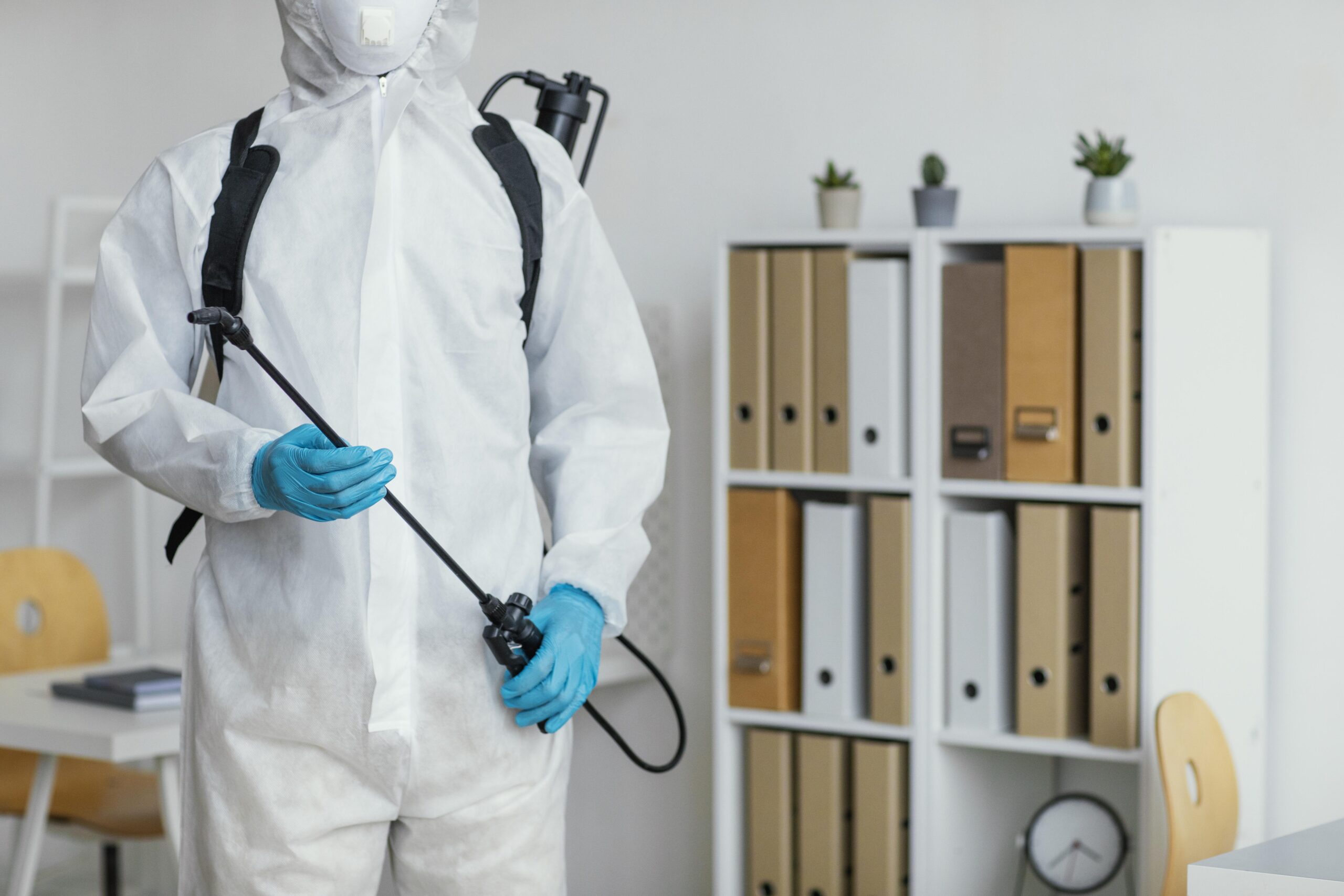

Bed bugs have become one of the most annoying and stressful pests across the United States. These tiny insects can make homes, offices, and even hotels uncomfortable if they are not handled the right way. To get rid of them completely, you need to start with proper bed bug detection, a well-planned cleaning process, and follow-up treatments.
This guide explains the best ways to identify and remove bed bugs, how to treat infested areas, and how to prevent them from coming back. Whether you are a homeowner, business owner, or property manager, these steps will help you handle the problem more effectively.
Why Bed Bugs Are Difficult to Eliminate
Bed bugs are clever at hiding. Their flat bodies help them squeeze into small spaces such as mattress seams, furniture joints, wall cracks, and even behind electrical outlets. Because they hide so well, many people think they are gone when they are not. A few bugs or eggs left behind can start the problem again.
Even though bed bugs do not spread diseases, their bites can cause itching, rashes, and anxiety. For business owners, an infestation can also harm your reputation and make customers uncomfortable. That is why quick and accurate bed bug detection is the first and most important step toward controlling the issue.
How to Identify Bed Bugs
Before taking any action, you must confirm that bed bugs are really present. Many people mistake them for other small insects, so careful inspection is necessary.
Here are some common signs:
1. Small reddish or brown marks on sheets, furniture, or mattresses caused by crushed bugs or blood.
2. Dark spots that look like ink stains on bedding or walls. These are bed bug droppings.
3. Tiny eggs or shed skins found in corners or cracks.
4. A sweet musty smell in heavily infested areas.
5. Actual bugs that are small, flat, and reddish brown in color.
Bed bug detection can be done in a few different ways. The most common method is a visual inspection using a flashlight to look at seams, cracks, and corners. Some people use bed bug traps placed near bed legs to catch bugs that move at night.
Professional companies often use canine bed bug detection, where trained dogs use their sense of smell to find even hidden bugs. This method is fast, reliable, and often more accurate than human inspection.
Steps to Take After Finding Bed Bugs
Once you confirm bed bugs are present, you should act immediately. The faster you move, the easier it will be to control them.
Start by containing the affected area. Reduce clutter so there are fewer places for them to hide. Keep infested items sealed in plastic bags until they can be treated. Move furniture slightly away from walls so bed bugs cannot travel easily.
Next, focus on reducing their spread. Avoid moving infested items to other rooms. Wash bedding, clothes, and curtains in hot water and dry them at high temperature for at least 30 minutes. This will kill both bugs and eggs.
These steps do not completely remove the problem, but they prevent it from getting worse while you prepare for full treatment.
The Best Methods for Bed Bug Infestation Treatment
There are several ways to treat a bed bug problem, and the best results usually come from combining multiple approaches.
Heat Treatment
Professional heat treatment is one of the most effective options. The temperature in the infested area is raised high enough to kill all bed bugs and eggs. Since heat reaches every corner, even bugs hiding in cracks are destroyed.
This method does not require chemicals, making it a safe and eco-friendly option. However, it should be done by trained professionals who can control the temperature properly.
If you are treating small items at home, washing them in hot water above 120°F and using a high-heat dryer cycle for at least 20 minutes can also work well.
Vacuuming and Steam Cleaning
Vacuuming helps remove visible bed bugs and their eggs from furniture, carpets, and corners. It should be done slowly and carefully. After vacuuming, seal and dispose of the vacuum bag right away.
Steam cleaning is another useful option. The high temperature of the steam kills bugs on contact, especially in places where using chemicals is not safe, such as mattresses and couches.
Professional Pest Control Services
Professional pest control companies have access to specialized products and advanced tools. They know how to apply pesticides safely and reach the areas where bed bugs hide.
Not all sprays sold in stores work well against bed bugs, and using them incorrectly can make the situation worse. Therefore, it is better to trust experts who have experience handling bed bug infestation treatment with safe and approved methods.
Other Helpful Measures
Cover mattresses and box springs with bed bug-proof covers to trap any remaining insects. Use bed bug interceptors under furniture legs to monitor for future activity. These small steps can make a big difference in preventing re-infestation.
A Step-By-Step Plan to Eliminate Bed Bugs
Here is a simple way to organize your treatment plan:
1. Identify the infestation using visual or canine bed bug detection.
2. Clean and declutter the affected area.
3. Treat the space using professional methods such as heat or steam.
4. Inspect again after treatment to make sure all bugs are gone.
5. Keep monitoring regularly with traps and covers to prevent future issues.
Bed bug elimination takes patience and persistence. Re-checking and ongoing prevention are just as important as the first treatment.
Why Professional Help Is Often the Smartest Choice
Trying to remove bed bugs by yourself can be stressful and time-consuming. Even with hard work, it is easy to miss hidden spots or eggs. Professionals bring experience, equipment, and strategies that help remove bugs completely and safely.
They also use canine bed bug detection to locate bugs behind walls or furniture without needing to tear anything apart. This saves time and reduces damage to your property.
Hiring an expert team may seem more expensive at first, but it usually saves money in the long run by preventing repeated infestations.
How to Prevent Future Infestations
Once your space is treated, keeping it bug-free requires a few habits.
Always inspect used furniture before bringing it home.
Check hotel rooms when traveling, and keep luggage off beds and carpets.
Wash clothes in hot water after returning from trips.
Reduce clutter to remove hiding spots.
Do regular inspections of mattresses, headboards, and baseboards for any signs of bugs.
These simple habits, along with routine professional inspections, will help you stay protected.
Conclusion
Are you still wondering how to make sure your home or business stays free of bed bugs?
If so, it is time to take action. Professional bed bug detection and effective bed bug infestation treatment are essential for completely removing these pests. A proper plan saves time, stress, and money in the long term.
For reliable help, reach out to Gotcha! Bed Bug Inspectors. They specialize in detailed and accurate bug detection services, including canine bed bug detection, which is one of the most effective ways to locate hidden infestations before they spread.
Frequently Asked Questions
What does bed bug detection mean?
It is the process of checking for signs of bed bugs such as live insects, eggs, stains, or droppings. Detecting them early helps prevent large infestations.
How fast do bed bugs spread?
They move quickly from one area to another, especially through clothing, furniture, or luggage. That is why early detection and action are important.
Can vacuuming remove bed bugs completely?
Vacuuming helps, but it cannot reach bugs deep inside cracks or furniture. It works best when used with other treatments.
Do home remedies work?
Heat, steam, and cleaning can reduce bugs, but professional help is usually needed for complete removal.
How does canine bed bug detection work?
Specially trained dogs can smell the scent of live bed bugs and eggs. They are accurate and can find bugs hidden in places that humans cannot easily see.