
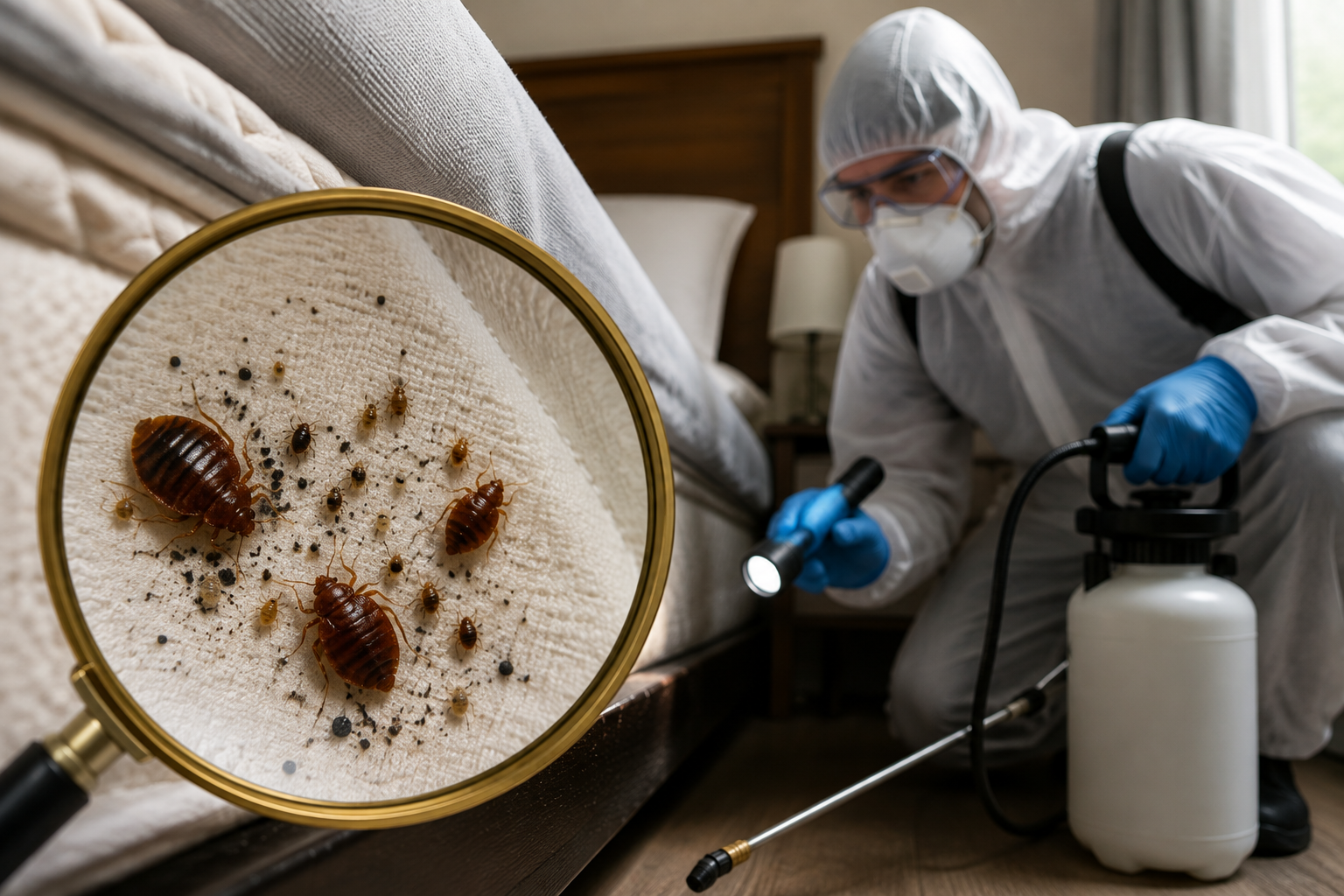
Finding bed bugs in your home or business can quickly become a stressful problem. These small insects are very good at hiding, reproduce quickly, and can remain hidden for long periods. Many people first try store bought sprays or home remedies, but these methods may not reach every bug or egg. As a result, the problem can return after it seems to be gone.
Bed bugs are harder to remove than many common household pests because they can hide in very small spaces. Missing only a few bugs or eggs may allow the infestation to start again. The United States Environmental Protection Agency notes that bed bug control takes time and patience because their eggs can resist many treatment methods.
If you are looking for an emergency bed bug exterminator Bayside, NY, understanding why these pests are difficult to eliminate can help you choose the right approach before the problem spreads.
Why Are Bed Bugs So Difficult to Find?
One of the main reasons bed bugs are difficult to remove is their ability to stay hidden.
They are usually more active at night when people are resting. During the day, they can remain inside mattress seams, bed frames, furniture joints, cracks, baseboards, and other small spaces. Some may also hide behind wall coverings or in areas that are difficult to inspect without moving furniture.
This makes a quick visual inspection unreliable. You may see one bed bug near your mattress and assume that it is the only one. In reality, other bugs may be hiding nearby.
A professional inspection looks beyond the areas where bed bugs are easy to see. This can help identify the location and size of the infestation before treatment begins.
Bed Bug Eggs Are Easy to Miss
Adult bed bugs are small, but their eggs are even harder to notice. They may be attached to surfaces in protected areas where normal cleaning does not reach.
This is one reason a treatment that appears successful at first may not completely solve the problem. If eggs remain hidden, newly hatched bed bugs can appear later.
The EPA explains that bed bug eggs can be resistant to many control methods, which is one reason effective treatment often requires more than one step.
Professional technicians know where to look for eggs and other signs of activity. They can also recommend follow up inspections when needed.
They Can Survive Without Feeding
Another reason bed bugs are so difficult to remove is that they can survive without a regular food source.
Some people believe that leaving a room empty will make the insects disappear. Unfortunately, simply avoiding the room is not a dependable way to eliminate an infestation.
Bed bugs can remain hidden and wait for another opportunity to feed. This means moving to another bedroom or temporarily leaving the property may not solve the underlying problem.
The insects may still be present in furniture, cracks, mattresses, or other hiding areas when people return.
Home Treatments Often Miss Hidden Areas
Store bought sprays can seem like an easy solution, especially when you only notice a few insects.
The problem is that many products only affect bugs that come into direct contact with the treatment. Bed bugs hiding inside furniture, cracks, wall spaces, or other protected locations may never be reached.
Repeatedly spraying visible bugs can also make treatment more difficult. The EPA recommends using a broader integrated approach instead of relying on pesticides as the only method.
This is why professional treatment focuses on the whole infestation rather than only the insects you can see.
Bed Bugs Spread Quickly
Bed bugs can move from one area to another when they search for food or new hiding places. They may also spread through luggage, clothing, used furniture, bedding, and other personal belongings.
In apartments, hotels, offices, and other shared buildings, the problem can be even harder to control because bed bugs may move between nearby spaces.
For businesses, an untreated infestation can also create customer concerns and interrupt normal operations. Acting quickly can help limit the spread and reduce the amount of work needed later.
If you notice signs of bed bugs, getting professional help early is often a better choice than waiting to see whether the problem disappears. The EPA also recommends involving a qualified pest management professional as soon as possible because delaying treatment can allow an infestation to spread.
Every Infestation Is Different
Not every bed bug problem looks the same. The size of the infestation, the number of hiding places, the condition of the property, and how long the insects have been present can all affect the treatment process.
A small problem in one bedroom may require a different approach than an infestation that has spread through several rooms. Apartments and shared buildings can also be more difficult because nearby areas may need to be inspected.
A professional inspection helps determine where the bed bugs are hiding and how far the problem has spread. This makes it easier to create a treatment plan that fits the property instead of relying on a general method. The EPA notes that successful control depends on factors such as infestation size, preparation, treatment coverage, the different stages of the insects, and possible pesticide resistance.
Why Professional Equipment Makes a Difference
Professional pest control technicians have access to equipment and treatment methods that are not normally available to homeowners.
Depending on the situation, a treatment may include detailed inspection, heat, steam, monitoring devices, targeted products, or other approved methods. The goal is to reach areas where bed bugs are likely to hide rather than treating only the places where insects are visible.
Heat can be useful in some situations because properly controlled temperatures can kill bed bugs at different life stages. The EPA states that infested areas can be heated to at least 120 degrees Fahrenheit for 90 minutes to ensure that eggs are killed. This type of treatment requires proper equipment and careful temperature control.
Professional equipment also helps reduce guesswork. Instead of repeatedly spraying the same visible areas, technicians can inspect, treat, monitor, and check the results.
Can One Treatment Eliminate Every Bed Bug?
Sometimes one treatment may solve the problem, but you should not assume that every infestation will disappear after one visit.
Bed bug eggs can remain hidden, and some treatment methods do not kill every life stage at the same time. This is why follow up inspections and monitoring can be important.
The EPA recommends continued monitoring because bed bug control can take time and may require repeated steps.
If bed bugs appear again after treatment, it does not always mean that the entire treatment failed. Some eggs may have hatched, or insects may have been missed in a hidden location. A professional can evaluate the situation and determine whether additional treatment is needed.
Why Early Action Is Important
Waiting too long can give bed bugs more time to spread throughout a property. What starts as a problem around one bed may eventually involve nearby furniture, rooms, or other areas.
Early action can make the situation easier to manage and may reduce the amount of treatment needed.
If you notice bed bugs, watch for signs such as small dark spots, shed skins, eggs, or live insects. Do not assume that the problem will disappear on its own.
For homeowners and businesses searching for bed bug treatment Bayside, NY, getting an inspection early can help identify the problem before it becomes more difficult to control.
How Can You Reduce the Risk of Bed Bugs?
There are several simple steps you can take to lower the chance of spreading bed bugs.
Check hotel rooms before unpacking when traveling. Keep luggage away from beds and upholstered furniture when possible. After returning home, inspect luggage and wash or dry clothing as appropriate.
Be careful when bringing used mattresses, couches, beds, or other furniture into your home. A piece of furniture that looks clean may still contain hidden insects.
If you suspect an infestation, avoid moving furniture or bedding from the affected room to another area. Moving items can spread bed bugs rather than solve the problem.
The EPA recommends a planned approach that includes identifying the pest, preparing the area, controlling the infestation, and continuing to monitor for signs of activity.
Why Professional Help Can Be a Better Choice
Bed bug control requires patience and careful attention. Store bought products may help in some situations, but using one product repeatedly is not a dependable solution.
The EPA recommends integrated pest management, which combines appropriate treatment methods and continued monitoring.
Professional help can also reduce the temptation to use unsafe home remedies. For example, the EPA warns against using rubbing alcohol, gasoline, kerosene, or unsafe heating methods because they can create serious safety risks.
If you need an emergency bed bug exterminator service, a professional inspection can help determine what is happening and what treatment approach makes sense for your property.
Conclusion
Why are bed bugs so hard to eliminate without professional help? Their small size, hiding habits, fast reproduction, and difficult to find eggs make them much harder to control than many common household pests. Trying random products without a clear plan may waste time and allow the infestation to spread. A careful inspection, proper treatment, and continued monitoring can provide a more reliable way to deal with the problem.
If you are searching for an emergency bed bug exterminator Bayside, NY, Gotcha! Bed Bug Inspectors can help with professional bed bug treatment services for homes and businesses. Their experienced approach focuses on finding bed bug activity, treating affected areas, and helping property owners take practical steps to prevent the problem from returning.
Frequently Asked Questions
Why are bed bugs so difficult to eliminate?
Bed bugs are difficult to remove because they hide in very small spaces, reproduce quickly, and leave eggs that can be difficult to find. Some populations may also show resistance to certain pesticides.
Can I get rid of bed bugs myself?
It is possible to attempt treatment yourself, but bed bug control can take weeks or months and requires careful preparation, treatment, and monitoring.
How do professionals find hidden bed bugs?
Professionals inspect areas such as mattresses, bed frames, furniture, baseboards, cracks, and other places where bed bugs commonly hide. They may also use monitoring devices to help track activity.
How long can bed bug treatment take?
Treatment time depends on the size of the infestation, the property, the treatment method, and whether follow up work is required. There is no single treatment schedule that works for every property.
Should I call a professional after finding one bed bug?
Finding one insect does not always mean there is a large infestation, but it is worth confirming what you found and checking nearby areas. Early identification can make treatment easier if additional activity is discovered.