
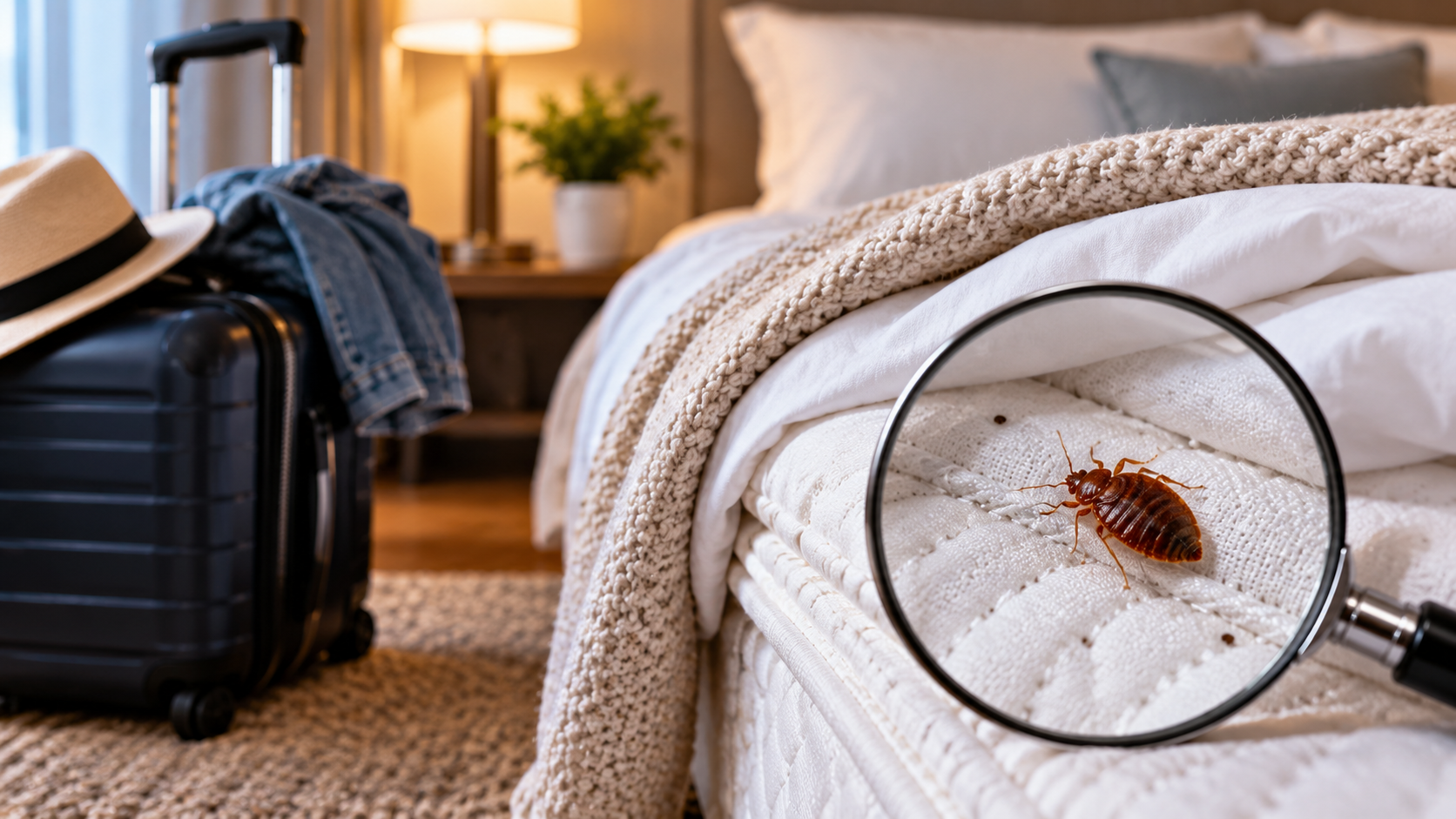
Finding one bed bug after a trip can cause immediate panic. You may start wondering whether the insect came home in your suitcase, whether there are more hiding nearby, or whether you need to treat every room in the apartment.
The good news is that finding one bug does not automatically mean your entire apartment has a large infestation. However, it should not be ignored either. Bed bugs can hide in very small spaces and may spread through luggage, clothing, bedding, and furniture. The CDC notes that travelers can transport bed bugs in luggage and clothing, which makes the period right after a trip a good time to inspect your belongings carefully.
If you are looking for bed bug treatment Upper West Side NY, the first step should be finding out whether that single insect is actually a bed bug and whether there are signs of additional activity.
One Bed Bug Does Not Always Mean a Full Apartment Infestation
A single bed bug could be an early warning sign rather than proof that your whole apartment is infested.
Travel is one common way bed bugs enter homes. They can hide in suitcase seams, clothing folds, backpacks, bedding, and other personal items. Once inside a home, they usually stay close to places where people sleep because that gives them easy access to a host.
This means the bedroom should receive careful attention first.
At the same time, you should not assume the rest of the apartment is completely clear. Bed bugs are small and good at hiding. A bug that appears near your bed may have come from luggage, but there could also be other insects nearby that you have not noticed yet.
That is why inspection is usually a better first move than immediately treating every room.
What Should You Do Right After Finding One?
Try not to move furniture or carry your luggage from room to room. Moving items around can make it harder to determine where the insect came from. It can also give a hidden bug more opportunities to move into another area.
Start with these basic steps:
- Save the insect if you can. Place it in a sealed container or bag for identification.
- Keep your suitcase away from beds, couches, and upholstered furniture.
- Do not unpack remaining luggage onto the bed or floor.
- Put travel clothing aside for washing or drying.
- Inspect your suitcase carefully, especially seams, pockets, zippers, and folds.
- Check the mattress, box spring, bed frame, and headboard.
- Look for physical signs instead of relying only on bites.
The EPA recommends unpacking clothes directly into a washer or dryer after travel and inspecting luggage carefully after returning home. It also recommends keeping luggage away from beds and other areas where bed bugs can hide.
Check the Bedroom Before Treating the Whole Apartment
Your sleeping area should be the first place you inspect. Use a flashlight and look closely around the mattress seams, corners of the box spring, bed frame joints, headboard, nearby furniture, and cracks around the bed.
You are looking for more than live bugs.
Possible signs include:
- Small dark spots on bedding or nearby surfaces
- Shed skins
- Tiny pale eggs or eggshells
- Small blood marks on sheets
- Live bed bugs or young nymphs
- Bugs hiding in cracks around the bed
The CDC says bed bugs are often found around mattresses, box springs, bed frames, headboards, dressers, cracks, and other areas close to sleeping spaces.
Bites alone are not enough to confirm an infestation. Some people do not react to bed bug bites, while others may develop marks later. The CDC notes that bite marks can take up to 14 days to appear in some people.
Should You Treat Every Room?
Not necessarily. If you find one confirmed bed bug shortly after traveling and there are no other signs of activity, a professional inspection may be more appropriate than immediately treating the entire apartment.
The situation changes if you find additional bugs or signs in more than one location. Multiple live bugs, recurring sightings, shed skins, eggs, or evidence around different sleeping areas can suggest that the problem is larger than one accidental hitchhiker.
In that situation, professional treatment may involve more than one area.
A good inspection can help answer three basic questions:
- Is the insect actually a bed bug?
- Is there evidence of additional bed bugs?
- Which areas need attention?
This approach can prevent unnecessary treatment while still addressing a real infestation before it grows.
Why Travel Luggage Deserves Special Attention
Your suitcase may be the most important item to check after a suspicious hotel stay. Bed bugs do not fly or jump. They are good at hiding and can travel from one location to another inside belongings. The CDC specifically identifies luggage, overnight bags, folded clothes, bedding, and furniture as possible ways bed bugs move between locations.
If you recently stayed in a hotel, vacation rental, dorm, or another place where people sleep, inspect the luggage carefully.
Pay attention to:
- Zipper tracks
- Inner pockets
- Seams
- Handles
- Wheels
- Folds
- Areas underneath luggage lining
The EPA recommends inspecting luggage with a flashlight and unpacking clothing directly into the washer or dryer when returning home.
Do not simply spray your suitcase with a random household pesticide. Pesticide products must be used according to their labels, and some products are not intended for luggage or indoor use.
What About Your Clothes?
Travel clothes should receive attention even if you did not see a bug on them.
Place washable clothing directly into the washing and drying process rather than leaving it on your bed or bedroom floor. The EPA advises travelers concerned about exposure to seal items until they can be washed or treated and to unpack clothes directly into the washer or dryer.
Drying can be especially useful because heat can kill bed bugs and their eggs when the conditions are appropriate. Follow the care instructions for your clothing and any treatment instructions provided by a pest professional.
Do not pile recently traveled clothing on a chair, couch, or bed while you decide what to do next.
When Is Professional Treatment a Better Choice?
Professional help becomes more useful when you cannot determine whether the insect was a bed bug, when you find additional evidence, or when you continue seeing bugs after returning from a trip.
A bed bug exterminator Upper West Side NY can inspect common hiding areas and help determine whether there is enough evidence to recommend treatment.
This matters because bed bug control is not always a one step process. The CDC notes that bed bugs can be difficult to eradicate and that control efforts may not work immediately, even when professionals are involved.
An inspection can also help you avoid a common mistake: treating only the spot where you found the bug while missing nearby hiding places.
What If You Find Another Bed Bug Later?
Do not assume the second bug is unrelated. If another bug appears days later, go back to the areas you already inspected. Check the bed, nearby furniture, luggage, clothing storage, and cracks around the sleeping area.
Keep a simple record of sightings. Write down the date, location, and what you found. Photos can also help a professional identify the insect.
If possible, keep a captured specimen rather than crushing it and throwing it away. Correct identification matters because several small insects can be mistaken for bed bugs.
When an Apartment Wide Inspection Makes Sense
There are situations where checking more of the apartment is reasonable.
Consider a broader inspection if:
- You find more than one confirmed bed bug.
- You find eggs or shed skins.
- You see signs in more than one bedroom.
- You continue finding bugs after returning from travel.
- Someone in the home has repeated unexplained bites along with other physical evidence.
- You live in a multi unit building and there is known bed bug activity nearby.
Bed bugs can move through apartments and other shared living environments. Their ability to hide in small spaces makes early detection especially useful.
For people who need an emergency bed bug exterminator Upper West Side NY, quick inspection can be helpful when repeated sightings are occurring or when you are concerned that the problem is spreading.
What Not to Do After Finding One Bed Bug
Panic can lead to decisions that make the situation harder to manage.
Avoid throwing away your mattress or furniture immediately. A bed bug problem does not automatically mean that everything in your apartment needs to go into the trash.
Also avoid moving your bed into another room. This can give bed bugs access to another sleeping area.
Do not sleep on the couch simply because you saw a bug near the bed. Changing sleeping locations can make it harder to track activity and may give the insects another place to follow.
You should also avoid using excessive pesticides. The EPA recommends using bed bug products carefully and following label directions.
A Simple After Travel Checklist
If you find one suspected bed bug after returning home, use this checklist:
- Capture the insect if possible.
- Keep luggage away from sleeping and sitting areas.
- Inspect the suitcase carefully.
- Process travel clothing through washing and drying as appropriate.
- Inspect the mattress, bed frame, box spring, and headboard.
- Look for physical signs of bed bugs.
- Avoid moving furniture between rooms.
- Monitor the area for additional evidence.
- Arrange a professional inspection if another bug or additional signs appear.
This gives you a controlled way to respond without immediately assuming that the entire apartment needs treatment.
Conclusion
What should you do if you find one bed bug after traveling? Do not ignore it, but do not assume that every room in your apartment needs immediate treatment either. Start by confirming the insect, isolating your luggage, handling travel clothing carefully, and inspecting the bedroom and nearby areas. If you find more bugs or signs of activity, a professional inspection can help determine how far the problem has gone.
Gotcha! Bed Bug Inspectors provides bed bug treatment services for people dealing with suspected or confirmed bed bug activity. Getting the situation checked early can help you understand what you are dealing with and choose the right next step.
Frequently Asked Questions
Does finding one bed bug mean I have an infestation?
Not always. One confirmed bed bug should be taken seriously, especially after travel, but it does not automatically prove that there is a large infestation. Inspection and monitoring can help determine whether more evidence is present.
Should I throw away my mattress after finding one bed bug?
Usually, you should not make that decision immediately. First determine whether you have a confirmed infestation and discuss the situation with a pest professional. Mattresses and other furniture can sometimes be treated as part of a proper bed bug control plan.
Can bed bugs come home in luggage?
Yes. Bed bugs can hide in luggage, clothing, and other personal belongings. The CDC and EPA both recommend careful luggage inspection and handling clothes appropriately after travel.
Should I wash everything after a trip?
You do not necessarily need to wash every possession you own. Focus on items that traveled with you and follow appropriate washing or drying instructions. Inspect luggage and keep potentially exposed belongings contained until they can be checked or treated.
Can bed bugs spread throughout an apartment?
They can move to other areas, especially when an infestation is established. However, bed bugs commonly stay near places where people sleep. That is why the bedroom and nearby furniture deserve careful inspection first.
Should I call a professional after finding only one bug?
If the insect is confirmed as a bed bug, professional advice can be useful, especially if you recently traveled or live in a multi unit building. A professional can help determine whether there is evidence of additional activity and whether treatment is needed.