
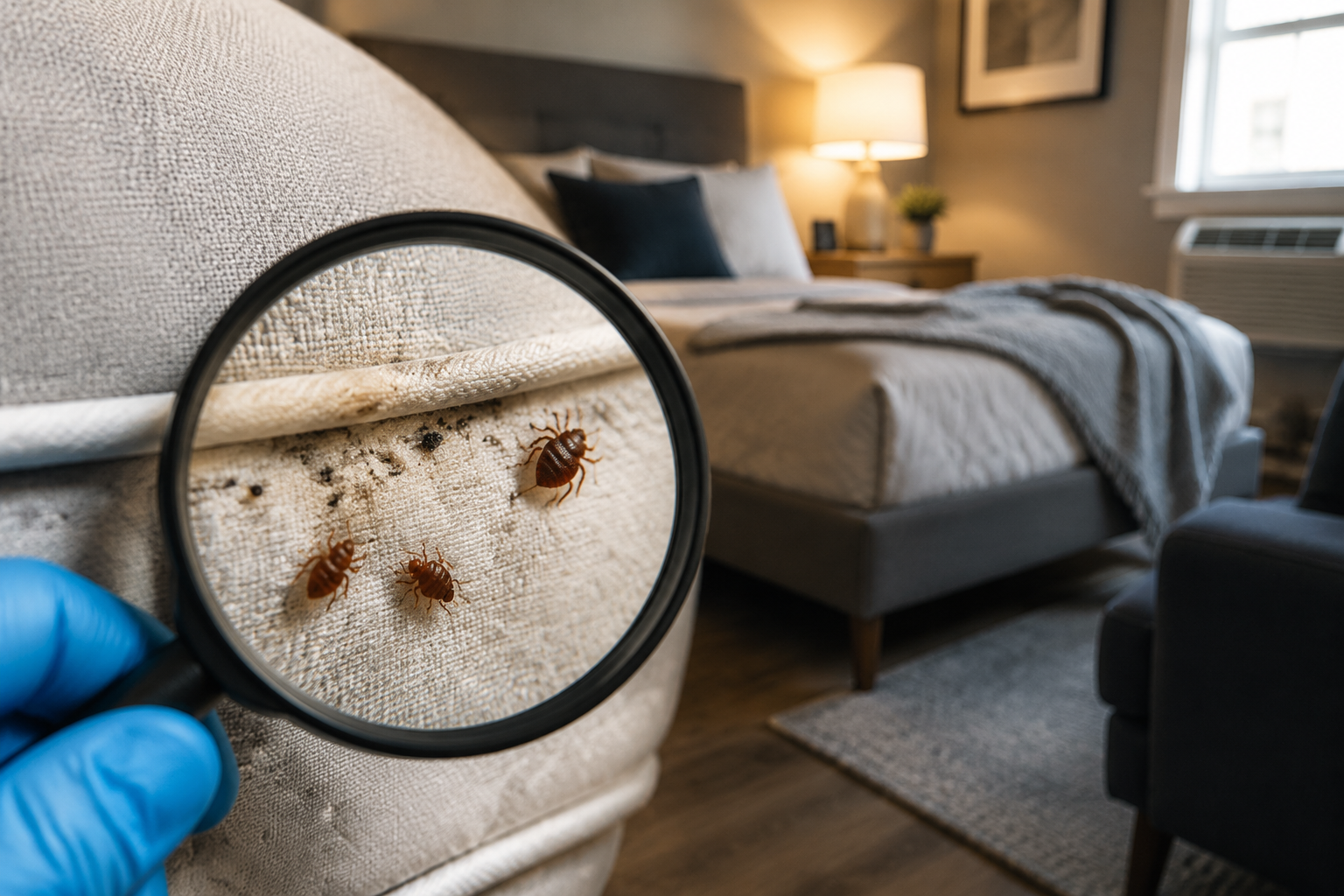
Finding a bed bug in your apartment can be stressful, especially when you are not sure what to do next. The first reaction is often to spray the room, throw away the mattress, or move to another bedroom. These steps may seem helpful, but they can sometimes make the problem harder to control.
Bed bugs are small insects that hide in mattress seams, bed frames, furniture, cracks, baseboards, and other narrow spaces. They can move from one room to another and, in apartment buildings, may sometimes spread between nearby units. The U.S. Environmental Protection Agency recommends a planned approach that combines inspection, cleaning, monitoring, physical control methods, and careful pesticide use when needed.
If you live in an apartment and suspect an infestation, knowing what to do first can save time and help prevent the insects from spreading. If you are looking for bed bug treatment St. George NY, here are the steps worth taking.
How Can I Confirm That It Is a Bed Bug?
Before treating the apartment, make sure you know what insect you found.
Adult bed bugs are small, flat, and usually reddish brown. Younger bed bugs are smaller and lighter in color. Eggs are tiny and pale. You may also find shed skins or small rusty stains on bedding.
Check areas where bed bugs commonly hide, including:
- Mattress seams
- Box spring edges
- Bed frame joints
- Headboards
- Furniture seams
- Baseboards
- Cracks near the bed
- Behind loose wallpaper
- Around wall openings
The EPA says adult bed bugs, nymphs, and eggs can be seen without special equipment, although a flashlight can make inspection easier.
If you are unsure about the insect, take a clear photo or save the specimen in a sealed container for identification.
What Should I Do First After Finding a Bed Bug?
Do not panic and start moving your belongings around the apartment.
Your first step should be to limit movement between rooms. Bed bugs can hitch a ride on clothing, bedding, bags, furniture, and other items. The EPA notes that bed bugs are good hitchhikers and can move from one location to another through everyday belongings.
Keep items from the affected room in that room until you know how they should be treated.
Avoid carrying blankets, pillows, clothing, or furniture into another bedroom. Moving these items can give bed bugs more places to hide.
Should I Tell My Landlord?
Yes, if you rent your apartment, notify your landlord or property manager as soon as possible.
This is especially important in an apartment building because nearby units may need to be inspected. The EPA advises apartment residents to notify their landlord when bed bugs are confirmed and recommends inspection of nearby units.
Do not assume the problem is limited to your bedroom.
Bed bugs can move through cracks and other openings, and nearby apartments may have activity that is not yet obvious.
Your landlord or property manager can explain the building’s pest control process and arrange inspection or treatment when required.
Should I Sleep in Another Room?
It is usually a bad idea to move your sleeping location simply because you found bed bugs in your bedroom.
Moving to another room can give the insects another place to follow you. It can also make it harder to determine where the infestation is located.
Instead, work with the property manager and pest professional on a treatment plan.
The EPA recommends preparing the bed area so it can be monitored. One approach is to move the bed away from the wall, keep bedding from touching the floor, and use bed bug interceptors under bed legs.
What Should I Do With My Bedding?
Handle bedding carefully. Do not carry loose sheets, blankets, or clothing through the apartment. Place items in sealed plastic bags before moving them to a dryer or another location for treatment.
For items that can safely go into a dryer, the EPA recommends using a household dryer at high heat for 30 minutes. Washing alone may not kill all bed bugs.
After treatment, keep clean items in sealed bags until the infestation is under control.
This reduces the chance of treated items becoming exposed again.
Should I Throw Away My Mattress?
Not automatically. A mattress can often be treated, depending on its condition and the treatment plan.
Throwing away a mattress without treating the rest of the room does not solve the problem. Bed bugs can hide in the bed frame, box spring, furniture, baseboards, and other locations.
If you decide to dispose of a mattress or furniture, make sure it is handled in a way that does not spread bed bugs through hallways, elevators, or other apartments.
Before throwing anything away, ask the pest professional what makes sense for your situation.
Can Clutter Make the Problem Worse?
Yes. Clutter gives bed bugs more places to hide and makes inspection and treatment harder.
You do not need to throw away everything in the apartment. Instead, sort belongings carefully and reduce unnecessary items around the affected areas. The EPA recommends reducing clutter and sealing infested items in plastic bags or containers. Keep items in the same room unless they are being moved in sealed bags for treatment. This simple rule can reduce accidental spread.
Should I Use Bug Bombs or Foggers?
Do not rely on foggers as your main treatment. Bed bug control requires attention to hiding areas that foggers may not reach. The EPA specifically states that foggers and bug bombs should not be used as the only method of controlling bed bugs. Using too much pesticide can create another problem.
The EPA warns against unsafe methods such as repeated spraying, using rubbing alcohol, or attempting homemade heating methods. Some of these practices have caused fires, illness, or other serious problems.
If you use a pesticide, read the label and make sure the product is registered for indoor bed bug control.
Why Is Professional Treatment Often Needed?
Bed bugs are difficult to control because they can hide in very small spaces. The EPA notes that bed bugs can live in cracks about the width of a credit card, which makes finding every insect difficult. Treatment can fail if hiding places are missed or nearby rooms and apartments are ignored. A professional inspection can identify areas that are easy to overlook. A trained technician may inspect the mattress, bed frame, furniture, baseboards, nearby rooms, and other areas where bed bugs may be hiding.
Depending on the situation, treatment may include heat, vacuuming, monitoring devices, physical removal, or properly selected pesticides. The EPA recommends using an integrated pest management approach rather than relying on one treatment method.
How Can I Prepare for Bed Bug Treatment?
Preparation can affect how well treatment works. Before the appointment, follow the instructions provided by your pest professional. Preparation may include reducing clutter, placing clothing in bags, moving items away from walls, and making furniture accessible for inspection.
The EPA recommends making the bed an isolated area, removing items from beneath the bed, using suitable mattress and box spring encasements, and placing interceptors under bed legs when appropriate. Do not make major changes without guidance. For example, moving furniture to another room may spread the infestation instead of helping.
Can Bed Bugs Spread to Other Apartments?
Yes, they can. Apartment buildings create more opportunities for pests to move between living spaces. Bed bugs may travel through cracks, wall spaces, hallways, shared laundry areas, furniture, clothing, and other items.
That is why communication between residents, property managers, and pest professionals matters.
If one apartment is treated while nearby activity is ignored, bed bugs may continue to appear.
EPA guidance for multi family housing stresses the need for participation from both residents and building management during bed bug control.
How Long Does Bed Bug Treatment Take?
The timeline depends on the size of the infestation, the treatment method, the apartment layout, and whether nearby units are affected. One visit may not always be enough. Bed bug eggs and hidden insects can make control more difficult. Follow up inspections and additional treatments may be recommended if activity continues.
Do not assume that seeing one or two bugs after treatment automatically means the treatment failed. Instead, follow the monitoring instructions provided by the pest professional. Keep records of where and when you see any suspected activity.
What Should I Avoid Doing?
Some reactions can make an infestation harder to manage.
Avoid:
- Moving furniture between rooms
- Throwing loose bedding into hallways
- Sleeping in different rooms
- Repeatedly spraying random pesticides
- Using rubbing alcohol
- Using outdoor pesticides indoors
- Heating the apartment with unsafe equipment
- Ignoring nearby units
The EPA warns that some popular do it yourself methods can be dangerous or ineffective. Rubbing alcohol, for example, is flammable and has been linked to house fires when used against bed bugs. A careful plan is safer than trying several products at once.
When Should I Call an Emergency Exterminator?
If you have confirmed bed bugs and the infestation is spreading, professional help should not be delayed. An emergency bed bug exterminator St. George, NY may be useful when you have active bed bug sightings, repeated bites, visible insects, or signs that the infestation is spreading through the apartment.
Fast professional attention can help determine the size of the problem and prevent you from spending money on treatments that do not address hidden insects.
For apartment residents, it is still wise to contact the landlord or property manager at the same time.
What Does Professional Bed Bug Treatment Include?
A professional bed bug treatment service usually begins with inspection. The technician needs to understand where bed bugs are being found before selecting a treatment plan.
Depending on the property, the process may include:
- Inspecting sleeping areas
- Checking furniture and nearby hiding places
- Looking for eggs and other signs
- Identifying possible areas of spread
- Preparing the apartment
- Applying suitable treatment methods
- Monitoring the treated area
- Returning for follow up treatment when needed
EPA guidance states that successful control may require several methods and continued participation from residents.
Can I Prevent Bed Bugs From Returning?
There is no single way to guarantee that bed bugs will never return. You can reduce the risk by checking secondhand furniture before bringing it home, inspecting luggage after travel, reducing clutter, and keeping sleeping areas easy to inspect.
The EPA recommends checking used furniture, using protective mattress and box spring covers, vacuuming regularly, and taking care with shared laundry facilities.
If you travel, inspect hotel mattresses and headboards before settling into the room. When you return home, inspect luggage and use a high heat dryer for clothing and other items that can safely handle it.
Conclusion
What should I do if I find bed bugs in my St. George, NY apartment? Start by staying calm, limiting movement of your belongings, notifying your landlord or property manager, and arranging a proper inspection. Avoid moving to another bedroom or using unsafe home remedies, since these actions can spread the infestation or create new problems. Professional bed bug treatment St. George NY can help identify where the insects are hiding and provide a treatment plan suited to the apartment.
Gotcha! Bed Bug Inspectors provides professional bed bug treatment services for property owners and residents dealing with bed bug problems. Their team can inspect affected areas and help determine the right steps for controlling an active infestation.
Frequently Asked Questions
What should I do if I find one bed bug in my apartment?
Do not move to another room or start carrying belongings around the apartment. Save the insect if possible, inspect the sleeping area, notify your landlord, and arrange professional identification if you are unsure.
Can bed bugs spread from one apartment to another?
Yes. In multi unit buildings, bed bugs can move through shared spaces, cracks, wall openings, furniture, clothing, and other items. Nearby units may need inspection.
Should I throw away my mattress?
Not necessarily. A mattress may be treatable. Throwing it away does not remove bed bugs hiding in the bed frame, furniture, baseboards, or other areas.
Does washing clothes kill bed bugs?
Washing alone may not kill all bed bugs. The EPA recommends a high heat dryer for items that can safely tolerate it, with 30 minutes at high heat as one recommended approach.
Are bed bugs caused by a dirty apartment?
No. Bed bugs are not attracted to dirt or grime. They are attracted to warmth, blood, and carbon dioxide. Clutter can give them more hiding places, but a clean apartment can still have bed bugs.
How can I know if treatment worked?
Continue checking the areas identified by the pest professional and follow the recommended monitoring schedule. Follow up treatment may be needed because hidden insects or eggs can remain after the first visit.